
If it feels like there are food recalls everywhere you turn, you’re not imagining things. The number of cyclospora cases this summer (many linked to lettuce) was fifteen times higher than last year, sickening tens of thousands of people nationwide. And that is to say nothing of ongoing recalls around eggs, jalapeños, frozen blueberries and more.
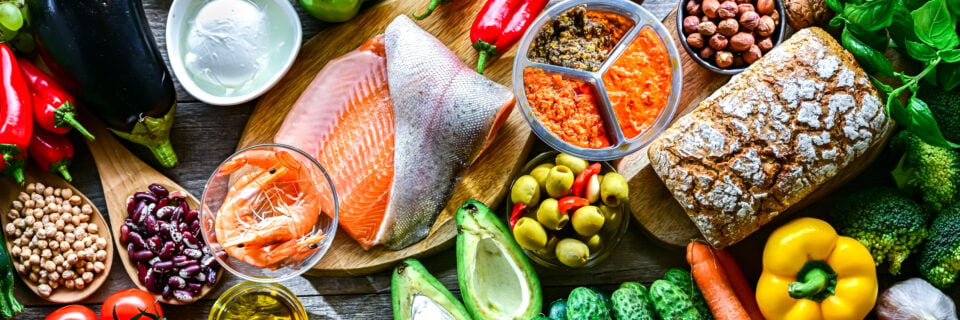
The factors contributing to the growing number of food recalls (weakened government tracing, farm consolidation and rising global temperatures) probably won’t be solved overnight. In the meantime, there is no better time to brush up on our food safety knowhow. And one of our favorite pools of wisdom is the time-tested Mediterranean Diet.
Cook with Heat
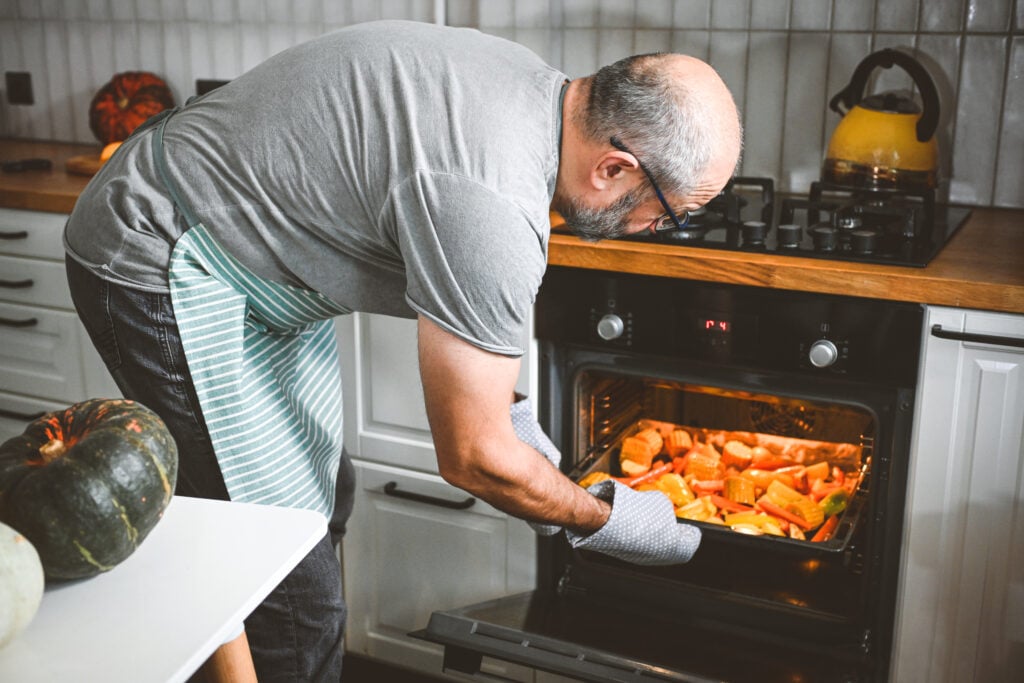
Food traditions in the Mediterranean have been passed down for generations, since long before there was in-home refrigeration, water purification devices or effective antibiotic medication. As such, many traditional dishes were developed to keep food safe. And the best tool for doing that is simply by cooking with heat.
The temperature danger zone of 40 to 140°F is the range in which foodborne pathogens grow quickly. Cooking vegetables to at least 158°F for a minute or two kills the cyclospora parasite, while cooking poultry, casseroles and other dishes to 165°F kills salmonella and other harmful bacteria. And if you’re taking the time to wash and cook your food, don’t forget to keep the ready-to-eat food separate from raw, uncooked or unwashed food, so as not to promote cross contamination.
The good news is that the Mediterranean diet has a rich history of delicious, cooked vegetable dishes. Sautee frozen spinach with whole grain bread crumbs, raisins and Parmigiano Reggiano cheese for a delicious side dish. For a more robust meal, leafy greens can be sauteed and served with black-eyed peas and a garlicky yogurt. Take a cue from the Greek Cyclades by making savory pies filled with dark leafy greens and feta cheese. This version, with a simple whole wheat crust, is one of our favorites.
In addition to flavor, cooking also has nutritional benefits. For example, research shows that cooking tomatoes in extra virgin olive oil helps our bodies to better absorb the lycopene (a type of antioxidant in tomatoes).
Grow Your Own
Mediterranean cuisine is renowned for its cooking traditions, but simple, fresh dishes have a place in the diet, too, and can be a delicious way to meet your recommended fruit and vegetable intake. If you’re going to be serving a raw salad, fresh herbs or uncooked fruit, it can’t hurt to be a little extra careful with sourcing, especially during the summer months when foodborne bacteria and parasites thrive.
One way to be certain about where your food comes from is to grow it yourself. Gardening can be as simple as a pot of herbs on the countertop, a container of tomatoes or lettuce on a balcony, a raised bed in the yard, or (if a soil test confirms the safety of the soil), right into the ground in your garden. Balconies and countertops are actually incredibly safe options for people concerned about foodborne pathogens, since they are less likely to be grazed by deer (which becomes risky when deer, or other wildlife, heed the call of nature in and around your garden bed).
Gardening can be done in a group setting, to promote socialization and community-building, or can be done individually, to foster a sense of peace, purposefulness and communion with nature. A review of 22 research studies on gardening’s impact on older adults found that gardening “promotes overall health and quality of life, physical strength, fitness and flexibility, cognitive ability, and socialization.” As such, horticultural therapy is being utilized for patients with dementia, veterans and in a wide range of other situations.
Shop Wisely
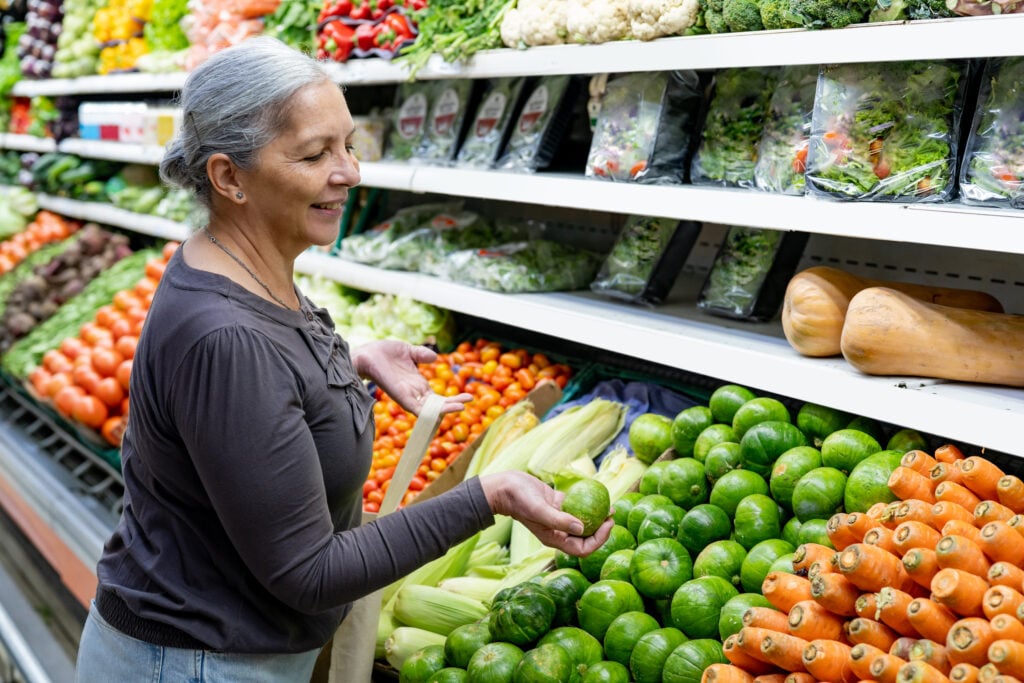
If you are not in a season of life in which gardening is practical, you can still enjoy the abundant local vegetables and fruits that your region has to offer. Farmers who operate on a smaller scale and sell directly to consumers are not as vulnerable as industrial farms because they don’t rely on the same risky irrigation practices (the likely culprit of the lettuce-linked cyclospora outbreak). Learn about the local farms and farmstands in your area, or try to find a nearby farmers’ market. Many farmers’ markets also accept SNAP or EBT cards, and some markets have programs in which shoppers are able to double up their produce.
Shopping wisely also means staying abreast of recalls and checking to make sure your fridge or pantry doesn’t contain the impacted products. Since it takes public health professionals time to trace the source of an outbreak, many of the impacted products have already been purchased by the time the source has been identified. Doing a quick scan of your food at home is just as important as staying vigilant at the grocery store.
Wash Your Hands and Your Food
One of the most effective ways to reduce your risk of foodborne illness is to practice careful hand hygiene and food safety guidance at home. Washing produce under running water can help rinse away many contaminants that might be on the surface of the food.
As temperatures in the Northern Hemisphere begin to cool down, crops are at lower risk of the environmental conditions that allow pathogens like cyclospora, E. coli and salmonella to thrive. Even so, food safety remains important.
Norovirus, which peaks in the winter months, spreads person-to-person through poor handwashing. Thankfully, you’re unlikely to get it from produce that you buy at the supermarket. Instead, you’re more likely to get it from a family member who is sick with the virus or from being served food from someone who was sick with the virus. The good news is that the prevention is simple: frequently washing your hands with warm, soapy water for 20 seconds, and keeping high-touch surfaces clean and disinfected.
Putting it all Together with a Mediterranean Diet
Although no one has the power to eliminate all risk from their lives, there are many steps we can take to avoid getting sick. This is especially important for our seniors and people with compromised immune systems, who are more susceptible to severe illness from foodborne pathogens.
Shopping wisely for products not impacted by recalls, cooking with heat, experimenting with a small countertop garden, and maintaining food-safe hygiene are all ways to honor the Mediterranean tradition of vegetable-forward meals while lowering the risk of tummy troubles. Food is one of the greatest gifts of heritage, and with a little extra awareness and precaution, it’s one we can all enjoy together.