

 Pamela Maloney
2025 featured many great articles for AgeRight.org. Thanks to our team of contributors, experts and always-insightful guest bloggers, our contributors focused more on health and wellness topics including brain healthy cooking, navigating food labels, and lifestyle habits for improved heart health, while also conquering more personal issues like LGBTQIA+ history, loneliness and estate planning.
We hope you enjoyed reading these pieces, and if you missed them, you can take a look at them today. Keep reading our blog in 2026 to see more coverage on topics affecting older adults and those who care for them.
Without further ado, here are our top ten blogs for 2025.
10. Lifestyle Habits for Heart Health As We Age
Author: Lindsay Willis
We have more control over our heart health than we realize. Prioritizing regular aerobic activity and strength training is vital for seniors. These habits can improve circulation, balance, and bone density while supporting both heart and brain health. Additionally, following a Mediterranean diet rich in omega-3s and establishing consistent sleep habits can significantly lower the risk of heart disease, stroke, and high blood pressure.

9. Understanding the History of Pride Month: What We Can Do to Support the LGBTQ+ Community
Author: Dr. Jane Fleishman
Through historical reflections, Certified Sexuality Educator Jane Fleishman, PhD shares how allies are, and continue to be, change-makers in the LGBTQIA+ social justice movement. Additionally, she includes tips on how to improve your allyship.
8. Top Reasons Why Families Turn to Short-Term Assisted Living Stays
Author: Pamela Maloney
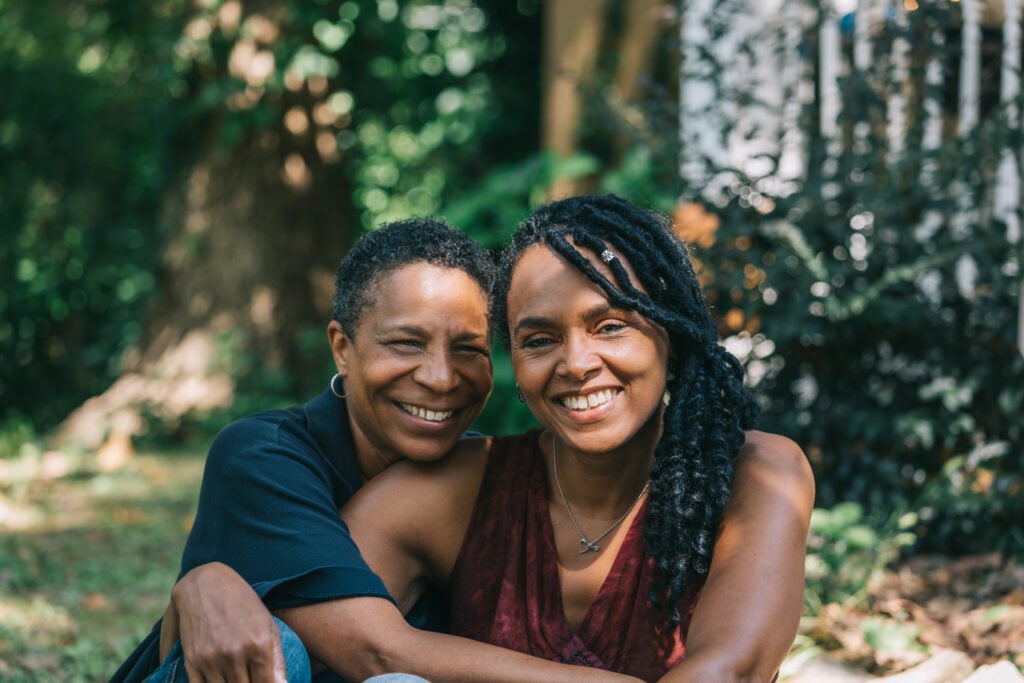
There are many reasons to take advantage of a short-term stay in assisted living. From a trial to see if it is the right fit for your loved one, to post-rehab, or caregiver respite, this blog post outlines this option offered by many senior communities.

7. How Senior Centers Help Older Adults Stay Social
Author: Pamela McGinnis
Senior centers provide a vital space for older adults to combat loneliness and isolation by offering group outings, educational programs, and specialized clubs that foster new friendships through shared interests. Through outreach services like meal deliveries and wellness calls, these centers ensure that seniors remain connected to a supportive and inclusive community.

6. Protein for Seniors
Author: Oldways
Protein is vital to supporting our bodies, especially as we age, promoting muscle development and overall wellbeing. Protein comes from different sources — from grains, beans, animals and more. Learn from Oldways, one of our regular contributors, how much protein your body requires, and the different ways of incorporating it into a brain healthy diet.

5. 7 Life Changes That Can Trigger Estate Plan Updates
Author: Timothy J. Rice
Because estate plans are not “one-and-done” documents, they must be updated to reflect major life transitions such as family milestones, changes in health, significant financial shifts, or moving across state lines. Regular reviews every three to five years are also necessary to account for evolving laws, changing personal relationships, and modern digital assets, ensuring your legacy is preserved and your family avoids unnecessary legal conflict.

4. Navigating Food Labels on the Mediterranean Diet
Author: Oldways
To successfully follow a Mediterranean diet, consumers should prioritize products featuring whole grains, legumes, and healthy fats at the top of the ingredient list while looking for certifications like the Whole Grain Council Stamp. Additionally, it is essential to balance processed options with fresh, unlabelled produce and to monitor the Nutrition Facts Panel for high fiber content and low levels of added sugars and sodium.

3. The Mediterranean Diet and Immune Health
Author: Oldways
To counteract the natural weakening of the immune system that occurs with age, seniors can adopt a Mediterranean diet rich in anti-inflammatory foods, prebiotics, and probiotics that bolster the body’s innate and adaptive immune responses. Research indicates that this combination of nutrient-dense ingredients works to reduce systemic inflammation, potentially lowering the risk of respiratory infections while simultaneously protecting against cognitive decline and Alzheimer’s disease.

2. 5 Brain Healthy Foods from the Mediterranean Diet Pyramid
Author: Oldways
Consuming a Mediterranean diet rich in seafood, olive oil, leafy greens, whole grains, and nuts protects the brain with essential nutrients and antioxidants that lower the risk of dementia and cognitive decline. These diets can lower your ‘brain age’ by 11 years compared to your peers—a benefit that peaks when meals are shared with others.
1. Loneliness Increases Dementia Risk: How We Can Fight Back
Author: Lindsay Willis
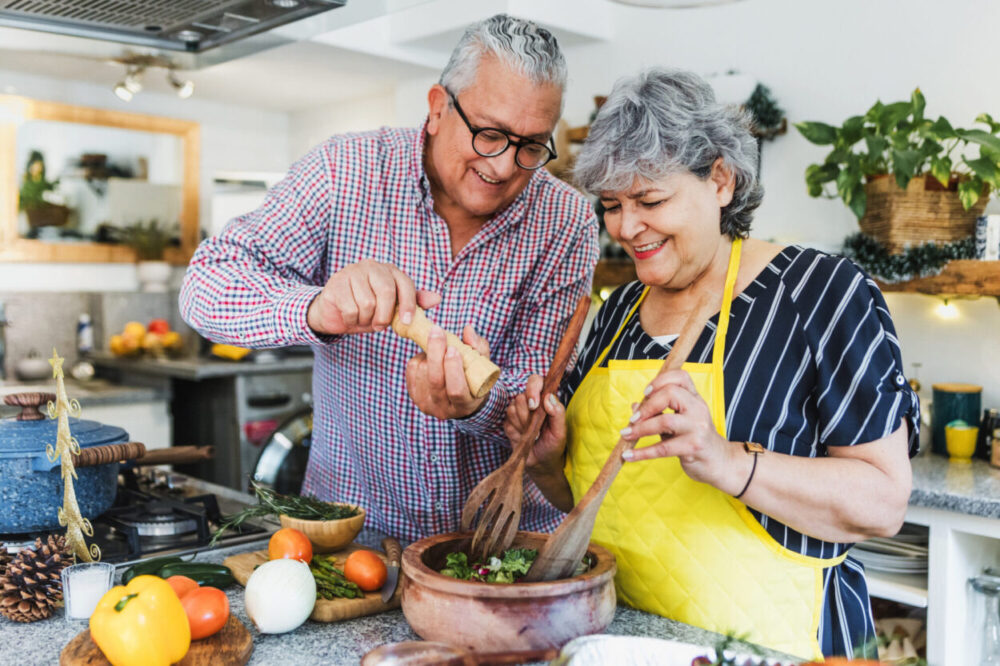
Ultimately, combating a lack of connection was of the greatest interest to our readers. Loneliness is an epidemic among aging people, and we were thrilled to share ways for older adults to find community and connection. To mitigate these risks, older adults are encouraged to seek authentic social connections in assisted living environments or through senior centers, which provide vital opportunities to bond over shared interests and combat isolation through genuine community engagement.